Modern Kitchen Makeovers: Tips for a Functional and Stylish Renovation
January 26, 2026
A kitchen is more than just a space for cooking; it’s the heart of the home. Modern kitchen makeovers have become a popular way for homeowners to enhance both functionality and aesthetic appeal, creating spaces that are efficient, stylish, and welcoming. Whether you are preparing meals for your family, entertaining guests, or simply enjoying a morning coffee, the design and layout of your kitchen can significantly influence your daily routine. A thoughtful renovation not only improves usability but also adds long-term value to your home.
In today’s fast-paced world, homeowners seek kitchens that balance beauty with practicality. Modern design trends focus on open layouts, smart storage solutions, high-quality appliances, and durable surfaces that can withstand the demands of everyday life. Yet, executing a kitchen remodel requires careful planning, decision-making, and an understanding of both design principles and functionality. From selecting the right cabinetry and countertops to integrating lighting and appliances, each choice plays a crucial role in achieving a harmonious and efficient space. This guide offers actionable insights for homeowners looking to undertake a modern kitchen renovation, providing tips to create a stylish, functional, and enduring kitchen environment.
1. Planning Your Modern Kitchen Renovation Effectively and Efficiently
Assessing Your Current Kitchen Space and Workflow Challenges
Before beginning any renovation, evaluating your existing kitchen layout is essential. Take note of the current workflow, storage availability, and areas that cause inconvenience during daily activities. For example, consider the “kitchen work triangle” concept, which focuses on the relationship between the sink, stove, and refrigerator. Optimizing this triangle can reduce unnecessary movement and improve overall efficiency.
Setting a Realistic Budget for Your Kitchen Remodel Project
Budgeting is a critical step in any kitchen remodel. Determine what aspects are non-negotiable—like premium appliances or custom cabinetry—versus areas where cost-saving alternatives may suffice. Experts recommend allocating roughly 30% of your budget to labor, 40% to materials, and 30% to appliances and accessories. Including a contingency fund of 10–15% for unexpected costs can prevent financial stress during the renovation process.
Defining Renovation Goals to Achieve Your Dream Kitchen
Clear objectives help guide design decisions. Are you aiming for a minimalist modern look, a warm farmhouse-inspired space, or a sleek, high-tech kitchen? Identify the style, functionality, and overall feel you want to achieve. Establishing goals early ensures that every choice—from flooring to lighting—aligns with your vision.
2. Choosing the Right Kitchen Layout and Optimized Workflow
Open Concept Versus Traditional Kitchen Layout Options
Modern kitchens often embrace open floor plans to create an airy, inviting environment. Open layouts allow for easier interaction with living spaces, ideal for entertaining or family gatherings. In contrast, traditional or galley layouts can maximize storage and efficiency in smaller spaces. Homeowners should weigh the advantages of openness against practical considerations such as storage, counter space, and cooking needs.
Optimizing Workflow Zones for Efficient Cooking and Storage
Dividing the kitchen into specific zones—preparation, cooking, cleaning, and storage—can improve efficiency. For instance, placing prep areas near the refrigerator and sink reduces unnecessary steps during meal preparation. Similarly, positioning storage for pots, pans, and utensils close to the stove streamlines cooking. This thoughtful zoning minimizes clutter and enhances usability.
Incorporating Multi-Functional Kitchen Islands for Maximum Use
Kitchen islands are a versatile feature in modern renovations. Beyond extra counter space, islands can serve as casual dining areas, storage hubs, or even workstation zones for meal prep. For smaller kitchens, a portable or modular island can provide flexibility without overwhelming the space. Islands equipped with built-in power outlets or charging stations further increase functionality.
3. Selecting Materials That Blend Style With Durability
Choosing Countertops and Surfaces for Longevity and Beauty
Countertops are central to both aesthetics and functionality. Popular materials for modern kitchens include quartz, granite, and engineered stone, offering durability and low maintenance. For homeowners seeking an eco-friendly option, recycled glass or sustainable wood surfaces combine sustainability with elegance. Consider factors like heat resistance, stain resistance, and ease of cleaning when making your selection.
Flooring Options That Combine Comfort With Lasting Durability
Flooring affects both style and practicality. Hardwood floors offer warmth and timeless appeal but require proper maintenance. Porcelain or ceramic tiles provide durability and are resistant to moisture, making them ideal for high-traffic kitchens. For a softer feel underfoot, modern vinyl or cork flooring options offer resilience without sacrificing design.
Cabinetry and Storage Solutions for Maximum Efficiency
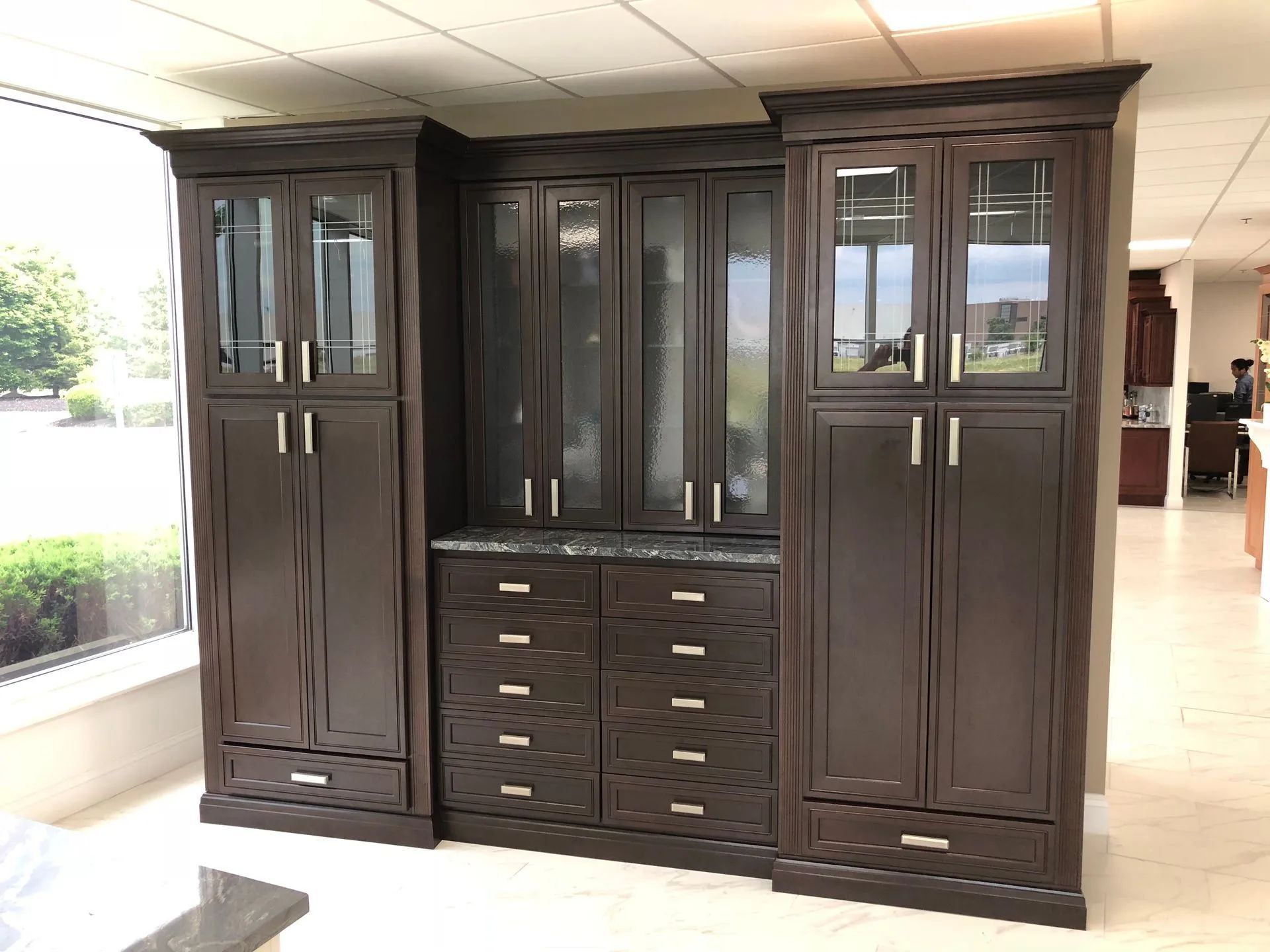
Cabinet choices set the tone for your kitchen’s style. Sleek, handleless cabinets are popular in contemporary kitchens for a clean, minimalist look. Custom or semi-custom cabinetry allows for tailored storage solutions, such as pull-out pantry shelves, corner carousels, and hidden trash bins. Maximizing vertical storage with upper cabinets or open shelving enhances accessibility and visual appeal.
4. Lighting, Color, and Overall Aesthetic Considerations
Implementing Layered Lighting Techniques for Functional Illumination
Effective lighting balances functionality with ambiance. Task lighting, such as under-cabinet LED strips, illuminates work areas for meal prep. Ambient lighting creates a welcoming atmosphere, while accent lighting highlights design elements like a tiled backsplash or floating shelves. A combination of overhead, task, and accent lighting ensures a well-lit and visually appealing space.
Choosing Color Schemes That Enhance Space and Style
Color significantly impacts the mood and perceived size of a kitchen. Neutral tones like whites, grays, and beiges promote brightness and cleanliness, while bold colors on cabinetry or backsplash tiles can serve as focal points. Contrasting countertops with cabinetry adds depth and visual interest. Integrating metallic or matte finishes for fixtures and hardware complements the overall modern aesthetic.
Incorporating Stylish Backsplashes for Both Function and Design
Backsplashes are both functional and decorative. Materials like subway tiles, glass, or stone not only protect walls from splashes but also add texture and character. Herringbone patterns, mosaic designs, and bold colors create a visual statement while aligning with contemporary trends.
5. Appliances and Smart Features for Modern Kitchens
Choosing Energy-Efficient Appliances to Reduce Utility Costs
Modern kitchens prioritize sustainability. Energy-efficient appliances reduce utility costs and environmental impact. Look for Energy Star-rated refrigerators, ovens, and dishwashers. Smart appliances with Wi-Fi connectivity allow remote control and monitoring, adding convenience for busy households.
Integrating Smart Technology for Enhanced Usability
Smart technology extends beyond appliances. Motion-sensor faucets, smart lighting controls, and voice-activated assistants enhance usability. Refrigerators with inventory tracking and ovens with programmable cooking modes streamline daily routines. Thoughtful integration of technology maintains a modern aesthetic without overwhelming the design.
Selecting Maintenance-Friendly Materials for Long-Term Use
Durability and ease of maintenance are key in a functional kitchen. Stainless steel appliances resist corrosion and stains, while seamless quartz countertops simplify cleaning. Choosing finishes that hide fingerprints or watermarks, along with modular or removable components, ensures long-term practicality.
6. Practical Tips for a Smooth and Stress-Free Renovation
Hiring Professionals Versus Tackling DIY Projects Yourself
Renovating a kitchen is complex, involving plumbing, electrical, carpentry, and design expertise. While DIY projects may save money, professional contractors ensure compliance with building codes and deliver high-quality workmanship. Collaborating with a reputable kitchen designer or remodeling company reduces errors and guarantees optimal results.
Planning Timelines and Preparing for Renovation Disruptions
Kitchen remodels often involve extended downtime. Planning meals, storage for essentials, and temporary cooking arrangements can minimize disruption. Establishing a realistic timeline with contractors, including buffer periods for unforeseen delays, helps maintain a smooth renovation process.
Balancing Trendy Features With Timeless Kitchen Design Elements
While incorporating trends adds freshness, balancing them with timeless features ensures long-term appeal. For instance, matte black fixtures, subway tiles, and open shelving are modern but not likely to feel outdated quickly. Investing in durable, classic materials prevents the need for frequent updates.
Implementing Budget Optimization Strategies Without Compromising Quality
Maximizing value without overspending requires strategic decisions. Prioritize high-impact areas like countertops, cabinetry, and lighting. Consider refinishing existing cabinets or upgrading hardware instead of full replacements. Researching material options, seasonal sales, and reputable suppliers can significantly reduce costs while maintaining quality.
Trusted Professionals Delivering Stylish Kitchen Renovation Excellence
A modern kitchen renovation transforms not only the physical space but also the way homeowners interact with their kitchens daily. By focusing on thoughtful planning, functional layouts, durable materials, stylish aesthetics, and smart technology, homeowners can achieve a balance between beauty and practicality. From optimizing workflow zones to selecting energy-efficient appliances, each decision contributes to creating a kitchen that is both inviting and efficient. Proper execution, whether through professional guidance or careful planning, ensures a renovation that stands the test of time.
For homeowners seeking expert guidance, Penn Home Remodeling
in Feasterville & Trevose, Pennsylvania offers 27
years of experience in delivering exceptional kitchen makeovers. Our team combines industry knowledge with personalized service, helping clients achieve kitchens that reflect their style and lifestyle. From initial design consultation to final installation, we prioritize quality, efficiency, and client satisfaction. Trust Penn Home Remodeling
to turn your kitchen vision into a functional, stylish reality that enhances your home for years to come.