From Floor to Ceiling: What to Expect During a Full Home Remodel
December 27, 2025
Embarking on a full home remodel is both an exciting and complex journey. Unlike small-scale renovations, a complete remodel transforms every aspect of a home—from floors to ceilings—into a refreshed, functional, and aesthetically pleasing space. Whether you’re modernizing an outdated interior, increasing property value, or creating a personalized living environment, understanding what the process entails is crucial. A successful remodel requires careful planning, clear communication with professionals, and realistic expectations about timelines, costs, and potential challenges. Homeowners who approach this transformation with knowledge and preparation often experience a smoother, more rewarding project from start to finish.
A full remodel is more than simply replacing fixtures or repainting walls. It encompasses structural updates, system upgrades, and thoughtful design integration that harmonizes form and function. From selecting materials to coordinating contractors, every decision impacts the outcome and longevity of the home. By understanding each stage of the remodeling process, homeowners can anticipate challenges, make informed choices, and maximize the value of their investment. In the following sections, we will explore key aspects of a comprehensive home remodel, providing actionable insights, best practices, and expert guidance for those considering this transformative undertaking.
1. Planning and Pre-Construction – Laying the Groundwork
Assessing Your Goals and Needs
Before lifting a hammer, it is essential to define the purpose and scope of your remodel. Are you aiming to modernize the kitchen, expand living areas, or address structural concerns? Clear goals help shape the budget, timeline, and design choices. Homeowners should create a wish list, prioritize upgrades, and identify must-haves versus nice-to-haves. Consulting with design professionals at this stage can provide clarity and ensure practical feasibility.
Budgeting and Cost Considerations
Budgeting is a critical component of any full home remodel. Costs often extend beyond visible upgrades, including permits, labor, materials, and unforeseen issues such as hidden water damage or electrical updates. Experts recommend allocating 10–20% of the budget for contingencies to accommodate unexpected expenses. Transparent discussion with contractors about costs, payment schedules, and material selections helps prevent financial surprises.
Securing Permits and Regulations
A full remodel often requires local permits, inspections, and compliance with building codes. Skipping this step can lead to legal issues, project delays, and safety hazards. Professional remodeling companies guide homeowners through the permit process, ensuring adherence to regulations while avoiding unnecessary delays.
2. Demolition and Structural Updates – Clearing the Canvas
Safe and Efficient Demolition
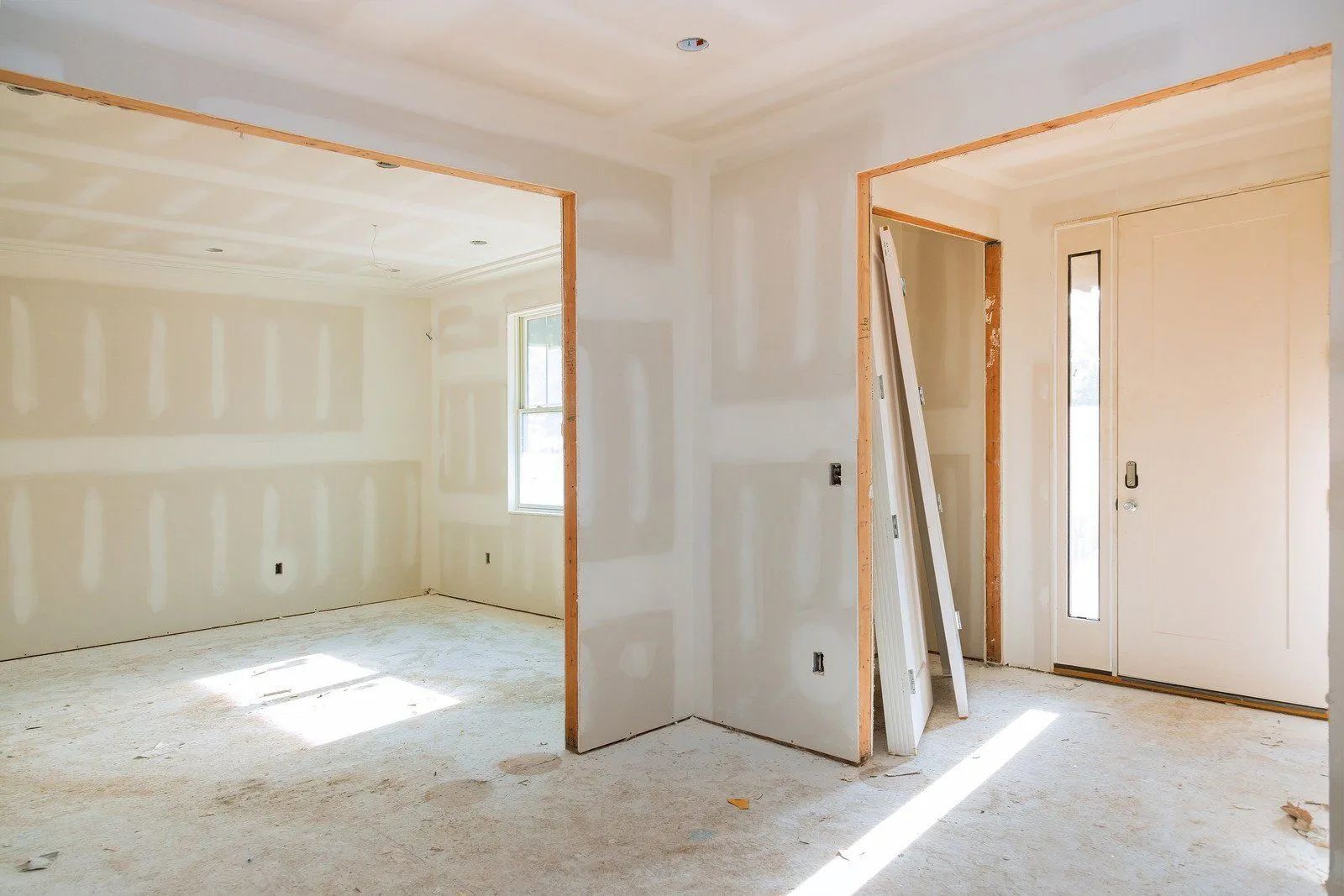
Demolition marks the physical beginning of a remodel. Walls, flooring, and fixtures are removed to make way for new installations. Safety is paramount; licensed professionals handle debris removal, hazardous materials, and structural assessments. Homeowners should prepare for temporary disruption and plan storage for personal belongings during this phase.
Addressing Structural Concerns
A full remodel often exposes underlying structural issues, including foundation cracks, water damage, or outdated framing. Structural updates may involve reinforcing beams, repairing foundations, or adjusting load-bearing walls. While these tasks can add time and cost, addressing them upfront ensures long-term stability and prevents future problems.
Updating Systems
Remodeling presents an opportunity to upgrade essential home systems. Electrical wiring, plumbing, and HVAC systems should meet current standards for safety and efficiency. For example, older homes may require modern circuit breakers or energy-efficient water heaters. By coordinating system upgrades during the structural phase, homeowners reduce the risk of costly retrofits after the remodel is complete.
3. Flooring and Walls – The Foundation of Design
Choosing Durable Flooring
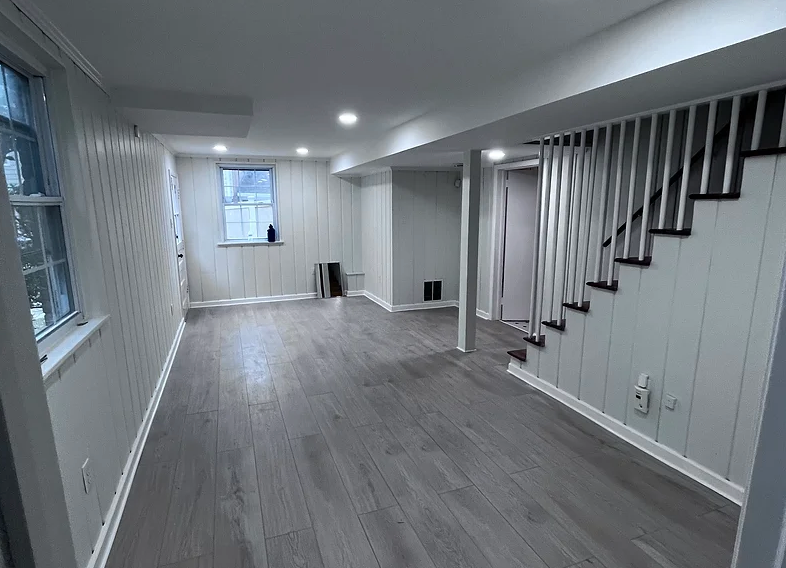
Flooring is a major visual and functional element of any remodel. Options include hardwood, engineered wood, tile, vinyl, or eco-friendly alternatives like bamboo. Selecting the right material requires consideration of traffic, moisture exposure, and maintenance requirements. For instance, tile and vinyl are ideal for kitchens and bathrooms, while hardwood or engineered wood enhances living areas with warmth and elegance.
Wall Treatments and Insulation
Wall preparation is crucial for achieving a flawless finish. In addition to drywall repair or replacement, insulation upgrades improve energy efficiency and soundproofing. Homeowners may also explore aesthetic options, including textured finishes, accent walls, or high-quality paints that withstand daily wear. Proper wall preparation ensures that the remodel not only looks polished but also contributes to long-term comfort and energy savings.
Incorporating Smart Home Features
Modern remodels often integrate technology for convenience and efficiency. Smart thermostats, lighting systems, and security features can be seamlessly incorporated into walls and flooring. Early planning ensures that wiring and connectivity are strategically positioned, preventing later modifications that could compromise the design or functionality of the space.
4. Kitchen and Bathroom Renovations – Functional Focal Points
Kitchen Layout and Workflow
The kitchen is often the centerpiece of a home remodel, blending style with practicality. Designing an efficient workflow—commonly referred to as the “kitchen work triangle” between sink, stove, and refrigerator—is essential. Homeowners may choose from various cabinetry options, countertops, and appliances to optimize both functionality and aesthetics. Incorporating storage solutions, energy-efficient appliances, and durable surfaces enhances usability and adds long-term value.
Bathroom Upgrades and Luxury Features
Bathroom remodels balance comfort, hygiene, and style. Modern bathrooms may include walk-in showers, freestanding tubs, heated flooring, and water-saving fixtures. Upgrading plumbing and ventilation systems during the remodel ensures that the space meets current codes and performs efficiently. Attention to lighting, tile selection, and storage solutions contributes to both practical usability and luxurious ambiance.
Maximizing Resale Value
Kitchens and bathrooms significantly impact a home’s resale potential. Well-executed remodels increase market appeal and justify higher property valuations. Homeowners should consider design trends that balance personal preference with broad market appeal, ensuring that the remodel delivers both satisfaction and financial return.
5. Windows, Doors, and Finishing Touches – Enhancing Comfort and Style
Energy-Efficient Windows and Doors
Replacing windows and doors improves energy efficiency, enhances natural light, and elevates the home’s aesthetic. Modern windows offer double or triple glazing, UV protection, and noise reduction, while insulated doors contribute to climate control and security. Strategic placement of windows can maximize sunlight and airflow, creating a healthier, more comfortable living environment.
Interior Doors and Hardware
Selecting interior doors, handles, and hardware completes the design vision. Custom doors, barn-style sliders, or traditional panel doors contribute to overall style while ensuring functional flow between rooms. Choosing quality hardware enhances durability and complements the remodel’s design theme.
Painting, Trim, and Cabinetry
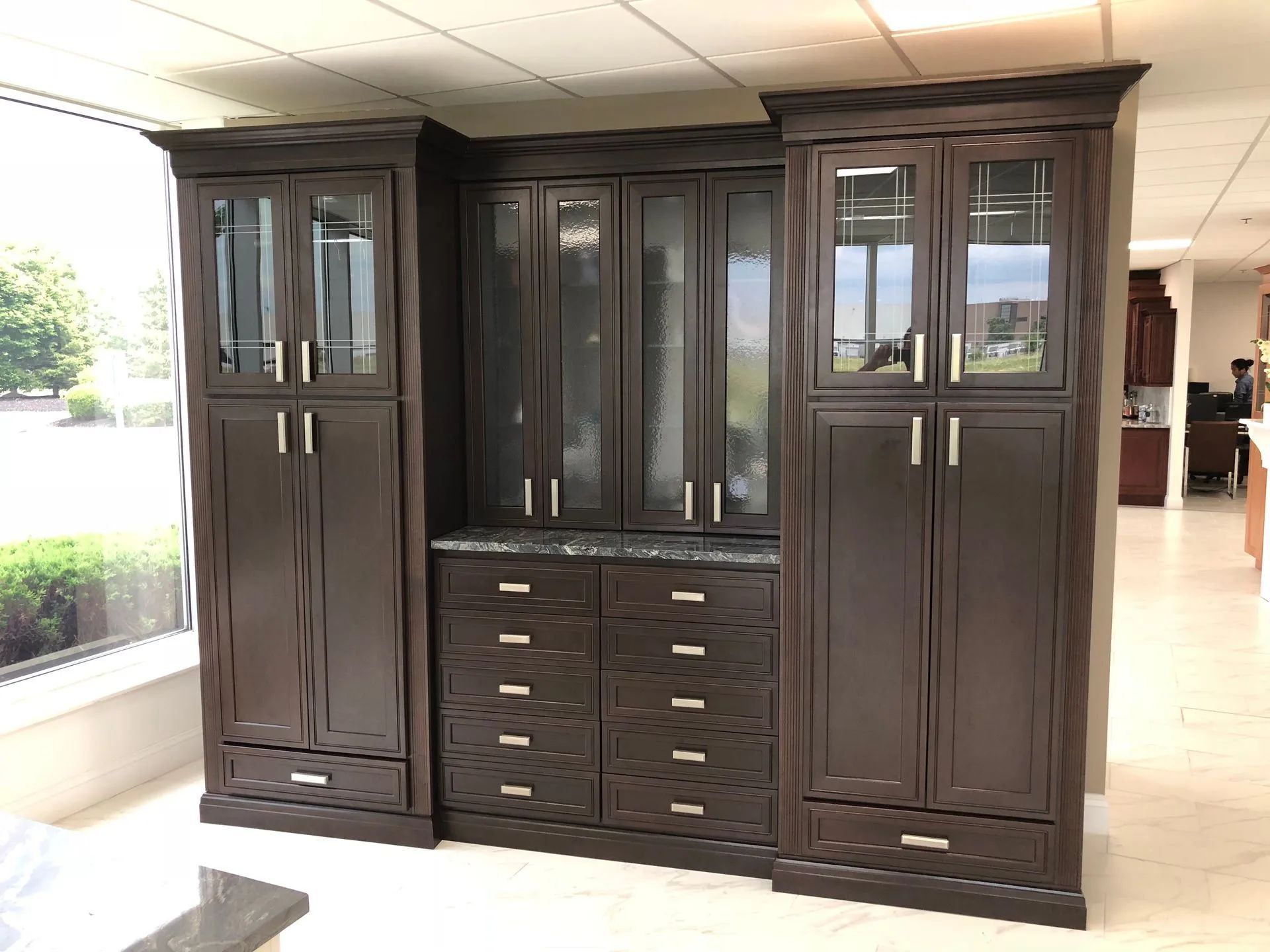
Finishing touches bring the remodel to life. Professional painting, crown molding, baseboards, and cabinetry installation provide a polished look that reflects attention to detail. Coordinating colors, textures, and finishes throughout the home ensures design continuity and aesthetic harmony.
Flooring Transitions and Lighting
Small details like flooring transitions, recessed lighting, and accent lighting can dramatically affect the final ambiance. Lighting placement should complement room function and highlight design features. Properly executed transitions between flooring types contribute to a seamless, professional appearance.
6. Project Management and Homeowner Involvement – Staying On Track
Communicating with Contractors
Effective communication with contractors is critical to a successful remodel. Regular updates, progress meetings, and site visits help ensure alignment on project goals, timeline, and quality standards. Homeowners should maintain a clear line of communication, documenting changes and approvals to avoid misunderstandings or delays.
Managing Timeline and Expectations
A full home remodel is a significant investment of time. Depending on scope, projects may last several weeks to several months. Building buffer periods for unexpected delays—such as weather interruptions or supply chain issues—helps maintain realistic expectations. Patience, flexibility, and proactive planning contribute to a smoother process.
Maintaining Daily Life During Construction
Living through a full remodel can be disruptive. Homeowners may need temporary arrangements for kitchens, bathrooms, or bedrooms. Establishing designated storage areas, maintaining a clean and safe workspace, and setting clear boundaries for construction teams helps minimize stress and maintain daily routines.
Post-Construction Inspection
Once construction is complete, a thorough inspection ensures that all work meets quality standards. Homeowners should review structural, electrical, plumbing, and finishing elements, addressing any deficiencies before final payments. A careful post-construction review protects investment and ensures long-term satisfaction.
Experience And Expertise Behind Every Home Remodel
A full home remodel is a transformative process that requires careful planning, professional expertise, and active homeowner involvement. From initial goal-setting to demolition, structural updates, system upgrades, and finishing touches, each stage contributes to creating a cohesive, functional, and visually stunning home. Understanding the intricacies of flooring, walls, kitchens, bathrooms, windows, doors, and smart integrations helps homeowners make informed decisions that maximize comfort, efficiency, and property value. While challenges may arise, clear communication, strategic planning, and attention to detail ensure a successful outcome that meets both personal and financial objectives.
Penn Home Remodeling, serving Feasterville & Trevose, Pennsylvania, brings 27
years of experience to every full home remodel. With a commitment to craftsmanship, transparency, and customer satisfaction, the team guides homeowners through each phase of the process, delivering results that are both beautiful and structurally sound. Trusted for decades, Penn Home Remodeling combines industry expertise with a personalized approach, ensuring every project—from floor to ceiling—reflects the homeowner’s vision while adhering to the highest quality standards. Their professionalism and dedication make them a reliable partner for anyone seeking a complete home transformation.