Smooth Walls, Stunning Interiors: A Complete Guide to Drywall Installation and Repair
May 12, 2026
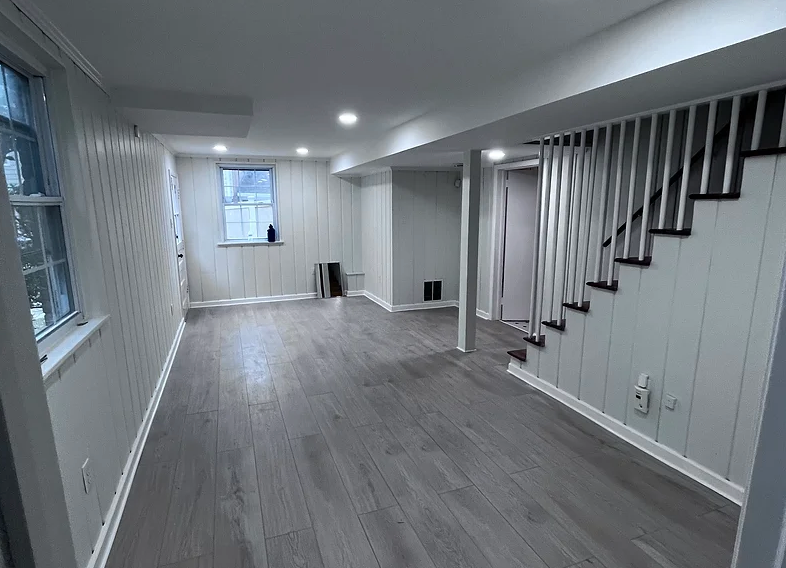
Drywall plays a fundamental role in shaping the visual and structural quality of modern interiors. Smooth, well-finished walls are no longer considered a luxury but a standard expectation in residential and commercial spaces. From new construction projects to renovation work, drywall installation and repair directly influence the overall appearance, durability, and comfort of interiors. A properly finished wall creates a clean canvas for paint, wallpaper, and decorative elements, while poorly executed work can lead to visible imperfections, cracks, and long-term maintenance issues. It also impacts how light interacts with interior spaces, enhancing overall ambiance and design consistency.
In today’s construction industry, drywall systems have become the preferred wall finishing solution due to their efficiency, cost-effectiveness, and versatility. They allow faster project completion compared to traditional plastering methods and offer improved fire resistance and sound insulation when installed correctly. However, achieving flawless results requires technical precision, material knowledge, and attention to detail at every stage of the process. Whether dealing with new installations or repairing damaged surfaces, understanding drywall fundamentals is essential for long-lasting performance and aesthetic appeal. Proper execution also ensures reduced maintenance costs and improved structural reliability over time.
This guide explores the complete process of drywall installation and repair, highlighting key techniques, common challenges, and professional best practices. The goal is to help readers understand how smooth walls contribute to stunning interiors and why proper drywall workmanship is critical in modern construction projects. It also emphasizes practical insights that support better decision-making during planning and execution stages for both residential and commercial applications.
Understanding Drywall Fundamentals and Materials
What Drywall Is and How It Works
Drywall, also called gypsum board, is a building panel made of gypsum plaster pressed between heavy paper layers. It forms interior walls and ceilings in modern construction. Known for its smooth finish, lightweight structure, and easy installation, it creates a seamless surface ready for painting, decoration, or texturing applications throughout spaces.
Types of Drywall Panels
Different drywall panels are designed for specific environments and performance needs. Standard boards suit general rooms, while moisture-resistant versions are ideal for kitchens and bathrooms. Fire-resistant panels enhance safety in utility areas, and soundproof variants reduce noise transfer, making them suitable for offices, apartments, and shared interior spaces across diverse settings effectively.
Tools and Materials Required
Drywall installation requires essential tools such as utility knives, T-squares, screw guns, taping knives, and sanding blocks for precise work. Key materials include joint compound, drywall screws, paper or mesh tape, and corner beads. Each component supports accurate alignment, smooth finishing, and long-lasting durability across interior wall systems with professional consistency achieved.
Drywall Installation Process: Step-by-Step Precision
Surface Preparation and Planning
Proper drywall installation begins with a clean, stable, and well-prepared framework. Studs must be aligned, dry, and evenly spaced to support panels securely. Accurate measurements reduce material waste and ensure a tight fit between boards. Careful planning prevents gaps, cracks, and uneven surfaces, ensuring strong structural integrity and smooth finishing results.
Cutting and Fixing Drywall Panels
Drywall panels are measured carefully and cut using scoring techniques or specialized tools to match exact wall dimensions. Once positioned, screws are driven into studs at consistent spacing to secure panels firmly. Proper fastening prevents bulging, misalignment, and movement, ensuring structural stability and a smooth, even surface ready for finishing work completion.
Taping and Joint Sealing
Seams between drywall panels are covered using tape and joint compound to create a unified surface. Multiple thin layers of compound are applied, each carefully feathered to eliminate visible lines. Proper drying time between coats is essential, ensuring strong adhesion, smooth transitions, and long-lasting durability across all joint areas in professional systems.
Sanding and Surface Smoothing
Once the joint compound is fully dry, sanding is performed to achieve a smooth, even surface ready for finishing. Careful sanding removes imperfections while maintaining surface integrity. Excess pressure can damage walls, while insufficient sanding leaves visible flaws. Precision ensures flawless paint application and high-quality interior aesthetics with consistently refined results overall.
Priming and Final Preparation
A primer coat is applied to seal drywall surfaces and improve paint adhesion across interiors. It also helps reveal minor imperfections that require correction before final finishing. Proper priming ensures uniform absorption, enhances durability, and creates a clean base for paint application, resulting in a polished and professional interior appearance with superior quality.
Common Drywall Problems and Effective Repair Solutions
Cracks and Surface Fractures
Cracks in drywall often result from structural movement, humidity changes, or improper installation techniques over time. Repair involves widening the crack slightly, filling it with joint compound, and reinforcing it with tape before smoothing. Proper repair restores surface strength, prevents further spreading, and maintains a clean, stable interior wall appearance.
Nail Pops and Fastener Issues
Nail pops occur when fasteners loosen or shift due to settling structures or temperature fluctuations. Repair requires re-securing the fastener, applying joint compound, and sanding the area until smooth. Addressing nail pops promptly prevents surface damage, restores wall uniformity, and ensures long-lasting stability across interior drywall installations with consistent professional results.
Water Damage and Staining
Water damage in drywall occurs due to leaks or prolonged moisture exposure, leading to stains, weakening, and surface breakdown. Affected sections must be removed and replaced to prevent mold growth and structural issues. Proper repair restores integrity, improves safety, and maintains clean interior aesthetics with long-term durability and performance across wall systems.
Dents and Surface Holes
Dents and holes in drywall often result from impact, furniture movement, or fixture installation. Small holes are filled with joint compound and sanded smooth. Larger holes require patch replacement for reinforcement. Proper repair restores surface uniformity, improves appearance, and ensures durability while maintaining seamless integration with surrounding wall finishes across interior spaces.
Uneven Seams and Poor Finishing
Uneven seams result from improper taping or rushed finishing work. Repair involves reapplying joint compound in thin layers and carefully blending edges. Sanding ensures smooth transitions between panels. Proper correction eliminates visible lines, restores wall consistency, and improves overall appearance, delivering a clean, professional interior finish across all drywall surfaces effectively.
Best Practices for Professional Drywall Finishing
Importance of Proper Alignment
Proper alignment of studs and drywall panels is essential for achieving structural strength and flawless surface finishing. Even minor misalignment can lead to visible imperfections after painting or finishing. Accurate alignment ensures stability, reduces rework, and supports smooth installation, resulting in long-lasting, high-quality interior wall performance across spaces with professional precision.
Layering Techniques for Joint Compound
Applying multiple thin layers of joint compound instead of a single thick coat improves durability and finish quality. Each layer must be allowed to dry completely before the next application begins. This technique reduces cracking, enhances smoothness, and ensures seamless transitions between drywall joints for a professional interior appearance and reliable finishing outcomes.
Environmental Considerations
Temperature and humidity significantly influence drywall drying time and material performance during installation and finishing. Controlled indoor conditions help ensure consistent results, preventing cracks, bubbles, or uneven surfaces. Maintaining stable environments improves compound adhesion, enhances durability, and supports smooth, professional-quality finishes across all interior drywall applications effectively every time in controlled building environments.
Inspection and Quality Control
Inspection at every stage of drywall work ensures consistency, accuracy, and long-lasting results across interior surfaces. Checking alignment, joint smoothness, and fastening strength reduces rework and improves efficiency. Quality control practices help identify issues early, ensuring final finishes meet professional standards for durability, appearance, and structural performance overall with strict assurance.
Long-Term Maintenance Tips
Regular inspection of drywall surfaces helps detect early signs of cracks, dents, or moisture damage before they worsen. Prompt repairs maintain structural integrity and preserve interior aesthetics over time. Consistent maintenance reduces costly renovations, extends wall lifespan, and ensures interiors remain visually clean, stable, and professionally finished throughout usage with dependable results.
Dedicated Professionals Delivering Superior Wall Finishes
Penn Home Remodeling stands as a dependable name in general contracting and remodeling services, delivering refined craftsmanship and consistent quality across residential and commercial projects. With over 27 years of experience, our approach focuses on precision, durability, and design excellence in every phase of drywall installation and repair. Smooth wall finishing is treated as an essential foundation for creating visually appealing and structurally sound interiors. Every project is executed with a commitment to long-lasting value and superior finish quality.
Our expertise extends beyond basic installation, emphasizing detailed surface preparation, seamless joint finishing, and high-standard repair solutions that restore and enhance interior spaces. Each project is managed with a strong commitment to accuracy, ensuring walls are level, joints are invisible, and surfaces are ready for premium finishing applications. This dedication results in interiors that reflect both strength and sophistication. Attention to detail at every stage ensures consistent results that meet modern design expectations.
Operating across Feasterville & Trevose, Pennsylvania, we bring extensive industry knowledge and a results-driven approach to every project. Our experience allows us to handle complex remodeling requirements while maintaining consistent quality standards. Clients benefit from a blend of technical skill, reliable execution, and a deep understanding of modern construction expectations. Through structured planning and disciplined workmanship, we continue to deliver drywall solutions that enhance both aesthetics and long-term performance in every space we transform. Our commitment ensures every project is completed with professionalism and care.