The Art of Custom Carpentry: Adding Personality and Elegance to Your Home
April 22, 2026
Custom carpentry has evolved into a defining element of modern interior design, offering homeowners the ability to transform ordinary spaces into highly personalized environments. Unlike mass-produced fixtures and fittings, custom woodwork introduces a level of craftsmanship that reflects individual taste, architectural harmony, and functional precision. From intricately designed built-ins to bespoke cabinetry and detailed trim work, custom carpentry brings a sense of refinement that elevates both aesthetics and usability within a home. It also allows design continuity across rooms, ensuring every element feels intentionally connected rather than randomly assembled. This attention to detail creates interiors that feel cohesive, balanced, and visually enduring over time.
In today’s residential design landscape, demand for tailored solutions continues to grow as homeowners seek spaces that align with lifestyle needs rather than standardized layouts. Custom carpentry bridges this gap by combining traditional woodworking techniques with contemporary design principles. It allows for creative freedom while ensuring structural integrity and long-term durability. Beyond visual appeal, it enhances storage efficiency, maximizes spatial utilization, and contributes to overall property value. As interior spaces become more multifunctional, the role of custom carpentry becomes increasingly significant in shaping environments that feel both functional and expressive. Understanding its potential is essential for anyone looking to create a home that balances elegance with purpose. It also supports adaptability, allowing interiors to evolve seamlessly with changing needs and design preferences over time.
1. Custom Carpentry as a Design Language for Personal Expression
Crafting Identity Through Woodwork
Custom carpentry functions as more than construction; it operates as a visual language that expresses personality through material selection, texture, and form. Every curve, joint, and finish contributes to a narrative shaped by lifestyle preferences and design intent. Unlike mass-produced fittings, tailored woodwork enables complete control over dimensions, style, and detailing, allowing interiors to reflect individuality while maintaining functional precision and cohesive aesthetic balance throughout residential spaces with enduring architectural value enhancement.
Material Selection and Craft Precision
Wood selection plays a decisive role in shaping the outcome of any carpentry project, influencing durability, appearance, and overall performance. Hardwoods such as oak, walnut, and maple provide strength and visual richness, while softer woods allow greater flexibility for intricate detailing. Skilled craftsmanship ensures precise joinery, accurate alignment, and refined finishing, enabling seamless integration within interior environments while maintaining long-lasting structural integrity and consistent aesthetic appeal across all applications in modern homes.
2. Architectural Impact and Spatial Optimization
Enhancing Structural Flow
Custom carpentry significantly influences how interior spaces are perceived and utilized by introducing structured design elements that enhance visual continuity. Built-in shelving, wall paneling, and integrated storage systems reduce clutter while strengthening spatial organization. These features create smoother transitions between areas, supporting a cohesive architectural flow that improves both functionality and aesthetic clarity, especially in open-plan environments where seamless design integration is essential for balanced residential living experiences over extended periods consistently.
Maximizing Usable Space
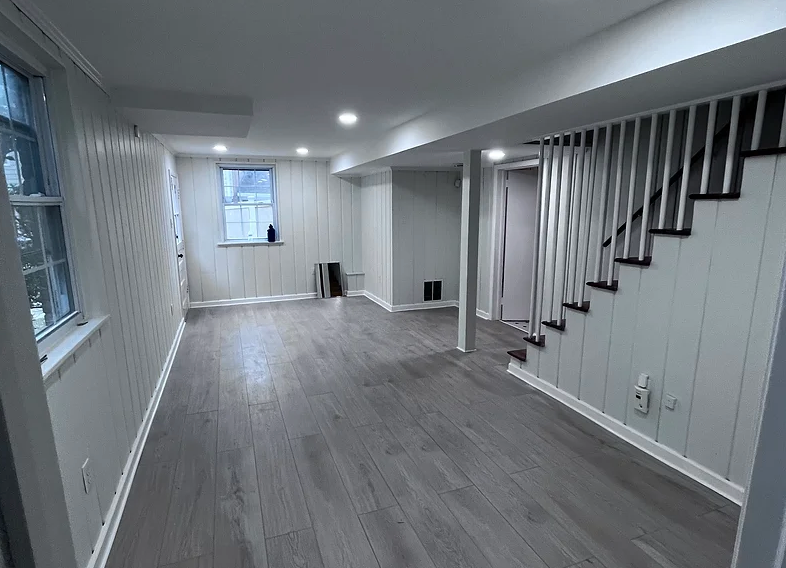
Efficient space utilization remains one of the strongest advantages of custom carpentry, particularly in homes where maximizing every square foot is essential. Areas such as under-stair sections, alcoves, and irregular corners can be transformed into practical storage or display solutions. This approach ensures that no portion of a home is wasted, while improving accessibility, organization, and visual balance across compact and expansive residential layouts alike, with long-term functional efficiency benefits overall performance.
Seamless Integration with Interiors
When thoughtfully designed, carpentry elements integrate seamlessly with architectural structures rather than appearing as separate additions. This level of integration enhances spatial harmony by aligning materials, proportions, and finishes with surrounding interior features. The result is a refined environment where design continuity is maintained throughout each room, creating a cohesive visual experience that supports both aesthetic appeal and practical functionality across residential spaces of varying styles and dimensions in modern homes today.
3. Materials, Finishes, and Sustainable Crafting Choices
Selecting the Right Wood Types
Material selection directly influences durability, maintenance requirements, and overall aesthetic outcome in custom carpentry projects. Hardwoods deliver exceptional longevity and resistance to wear, making them ideal for high-use applications, while engineered wood options provide stability and cost efficiency for specific design needs. Choosing the appropriate wood type depends on intended function, environmental conditions, and desired visual impact, ensuring each carpentry element performs effectively while maintaining design integrity over time in all cases.
Finishes That Define Aesthetic Appeal
Finishing techniques play a vital role in enhancing the natural beauty and durability of custom woodwork. Staining highlights grain patterns, lacquering provides a protective sheen, and oil treatments enrich texture while preserving authenticity. Matte finishes create a modern, understated look, while glossy coatings deliver a more traditional, polished appearance. Proper finishing not only elevates visual appeal but also safeguards surfaces against moisture, scratches, and everyday wear within residential environments over time effectively.
Sustainable Practices in Carpentry
Sustainability has become a fundamental consideration in modern carpentry, shaping material selection and construction methods. Responsibly sourced timber, low-VOC finishes, and waste-reduction techniques contribute to environmentally conscious building practices. These approaches minimize ecological impact while maintaining high design standards and structural performance. By integrating sustainable methods into carpentry processes, long-term environmental balance is supported without compromising craftsmanship quality, durability, or aesthetic value in residential applications across diverse design styles and projects overall.
4. Functional Benefits and Long-Term Value Enhancement
Durability and Structural Strength
Custom carpentry is engineered with longevity and structural strength as primary priorities, ensuring each element withstands daily use without compromising appearance or performance. Precision joinery techniques, combined with high-quality materials, create robust constructions that resist wear over time. This durability reduces maintenance demands and replacement frequency, making custom woodwork a reliable long-term investment that maintains both functional integrity and visual appeal in residential environments across changing usage conditions with consistent reliability overall.
Improved Organization and Efficiency
Tailored carpentry solutions significantly improve household organization by aligning storage systems with specific spatial and functional requirements. Custom cabinets, wardrobes, and shelving units are designed to optimize accessibility while reducing clutter. This structured approach enhances daily efficiency, allowing spaces to remain orderly and easy to maintain. By integrating design with practical usage patterns, carpentry creates environments that support smoother routines and more effective space management throughout residential settings with lasting benefits overall.
Increasing Property Value
High-quality custom carpentry enhances overall property appeal by introducing refined design elements that elevate both aesthetics and functionality. Prospective buyers often associate bespoke woodwork with superior craftsmanship and attention to detail, increasing perceived market value. Well-executed carpentry contributes to stronger visual impressions, improved usability, and long-term durability, making residential properties more attractive in competitive real estate markets where design quality significantly influences purchasing decisions and investment potential over extended ownership periods overall.
5. Design Trends and Modern Integration in Residential Spaces
Minimalist and Clean-Line Designs
Modern interior design trends increasingly emphasize minimalism, where custom carpentry plays a crucial role in achieving clean, uncluttered environments. Straight lines, hidden storage systems, and seamless finishes help maintain visual simplicity while enhancing spatial openness. This design approach prioritizes functionality without sacrificing elegance, creating interiors that feel balanced, airy, and highly organized. Custom woodwork supports these principles by delivering precision-built solutions tailored to contemporary residential lifestyles with refined architectural simplicity focus overall.
Rustic and Contemporary Fusion
A growing design preference blends rustic warmth with contemporary refinement, creating interiors that feel both natural and sophisticated. Exposed wood textures combined with metal or glass accents produce a balanced aesthetic that bridges traditional craftsmanship and modern style. Custom carpentry enables this fusion by integrating natural materials with clean architectural forms, resulting in spaces that offer character, depth, and visual harmony across diverse residential design themes with a timeless aesthetic balance achieved overall.
Multi-Functional Furniture Concepts
Modern carpentry innovation increasingly focuses on multi-functional furniture designed to maximize usability within limited spaces. Foldable desks, convertible storage units, and modular shelving systems provide flexibility while maintaining aesthetic consistency. These solutions are especially valuable in urban residences where efficient space management is essential. By combining functionality with design adaptability, custom carpentry creates intelligent interiors that support evolving lifestyle needs without compromising comfort or visual appeal across modern residential environments overall today.
Reliable Carpentry Craftsmanship For Elegant Home Transformations
Custom carpentry continues to shape interior environments by combining artistry with practical functionality. It enhances architectural flow, improves space utilization, and introduces a level of personalization that standard fixtures cannot achieve. Through careful material selection, refined craftsmanship, and thoughtful design execution, woodwork becomes an essential component of modern residential aesthetics. Its value extends beyond appearance, influencing durability, organization, and long-term property enhancement.
In a design-driven housing market, bespoke woodworking remains a powerful tool for creating interiors that reflect individuality while maintaining structural integrity. It supports both traditional craftsmanship and contemporary innovation, making it a versatile solution for evolving homeowner needs.
Penn Home Remodeling
brings extensive experience in general contracting and remodeling services, delivering refined carpentry solutions that align with modern design expectations. Based in Feasterville & Trevose, Pennsylvania, and supported by over 27
years of industry expertise, our approach focuses on precision, reliability, and long-lasting quality. Every project reflects a commitment to elevating residential spaces through skilled workmanship and thoughtful execution, ensuring that each home achieves a balance of elegance, functionality, and enduring value.