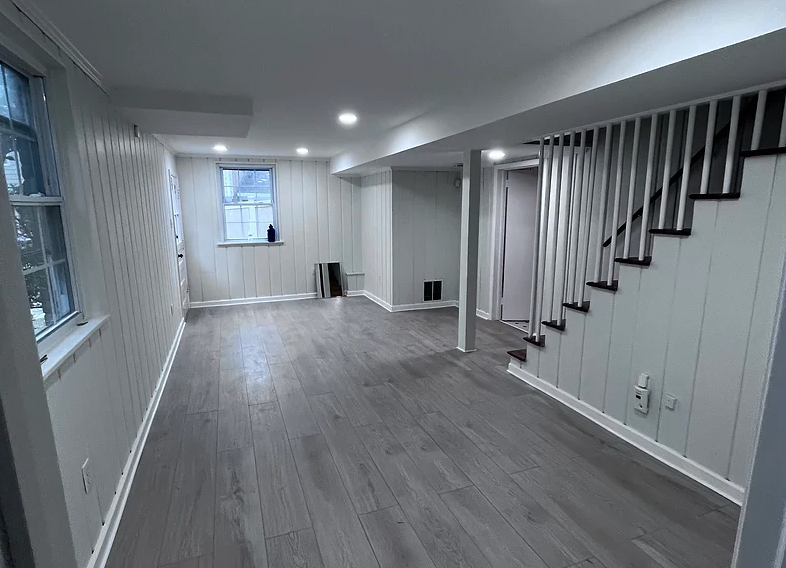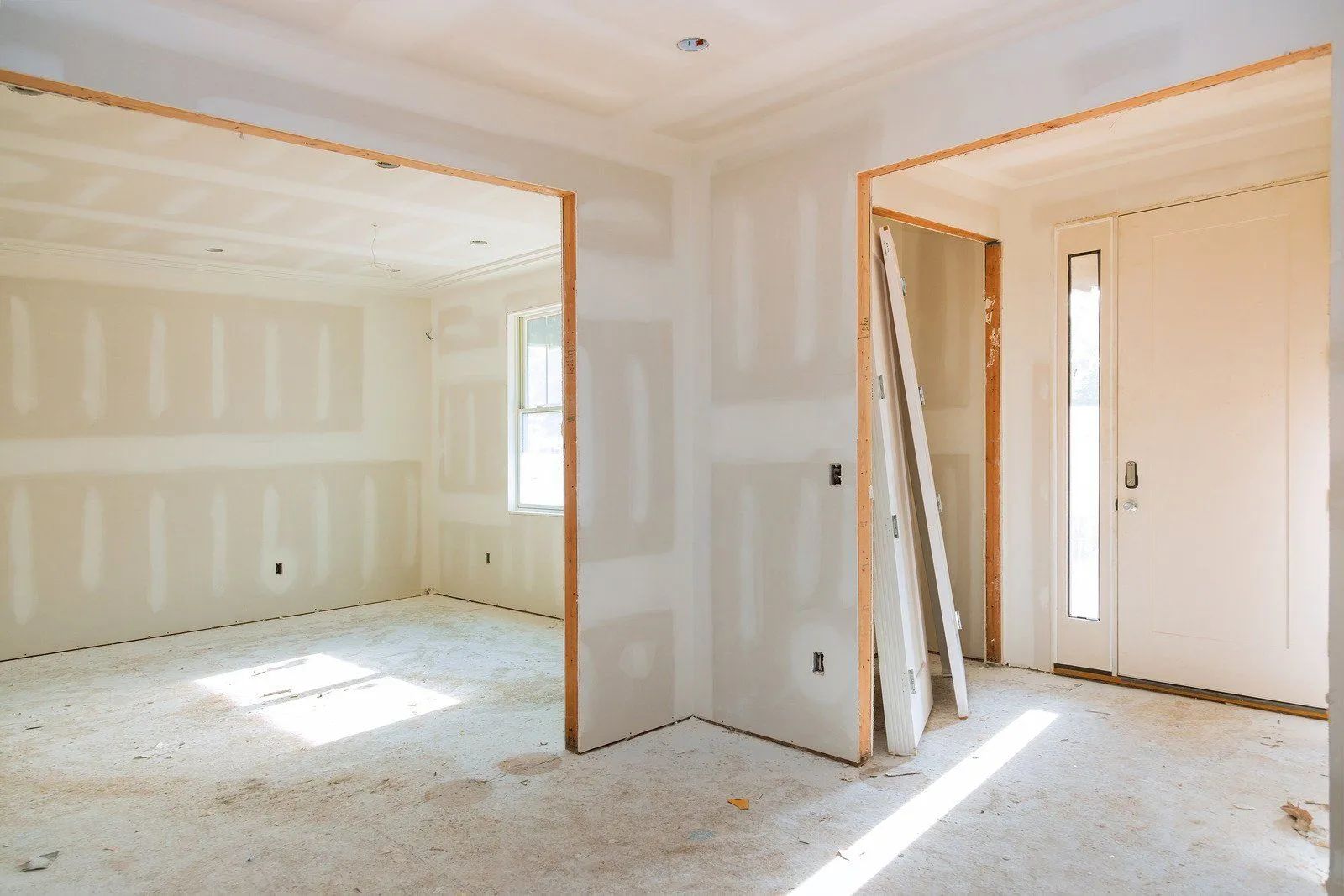
Fresh Colors, Fresh Look: Interior Painting and Wall Finish Ideas to Revitalize Your Home
October 29, 2026
QUICK ANSWER: A room looks fresh when three choices work together: the color, the sheen, and the condition of the wall underneath. Choose color after you see samples in your own light, choose a sheen that matches how the room is used (flat or matte for ceilings and bedrooms, eggshell for living areas, satin or semi gloss for kitchens, baths, and trim), and repair every dent, crack, and seam before the first coat goes on. Lower sheens hide wall flaws, higher sheens clean easier but show every imperfection, so prep quality and sheen should be decided together.
Stand in the doorway of your living room around four in the afternoon, when the light comes in low across the wall. That is the moment the room tells the truth. A faint line where two sheets of drywall meet shows up as a ridge. Scuffs near the light switch read as gray smudges. The color you picked years ago, which looked warm in the store, now looks a little tired next to the trim. None of this means the room is ruined. It means the walls have been working hard, and a well planned repaint can bring the whole space back.
Interior painting looks like the simplest project in a house, and in the right hands it is a fast way to change how a home feels. It is also the project where small decisions show up for years: the sheen you chose, the way a patch was blended, the primer under a dark color. This guide walks through the choices that matter most, from color and sheen to texture and surface repair, so you can decide what your rooms need before anyone opens a can.
Start With the Wall, Not the Color
Most homeowners begin with swatches. Experienced remodelers begin by looking at the wall, because the surface sets the limits of what the paint can do.
Look At The Wall In Raking Light
Shine a flashlight across the wall to reveal nail pops, cracks, uneven roller texture, and old patches. These imperfections may remain visible after painting, especially with glossy finishes.
Know What The Cracks Are Telling You
Seasonal humidity changes can cause minor drywall cracks around corners and doorways. Growing cracks, spreading stains, or wall bulges may indicate water damage or settling that needs investigation.
Separate Repair From Painting
Repair dents, screw holes, torn drywall paper, and failed tape joints before painting. Fill, sand, and prime patches to prevent noticeable dull or shiny spots.
Decide Whether The Whole Surface Needs Smoothing
Walls with heavy texture or repeated patches may need a thin skim coat of joint compound. This creates a smoother, more uniform surface than paint alone.
Choosing a Sheen That Fits the Room
Sheen is the amount of light a dried paint reflects. It affects how the color looks, how well the wall hides flaws, and how well it survives cleaning. As sheen goes up, durability and washability improve, but the paint reflects more light and shows more of the wall surface underneath.
Flat Or Matte
These have the least shine and hide drywall flaws best. They touch up with the least visible change and are the usual choice for ceilings and for adult bedrooms or other low traffic walls. The tradeoff is that they are the least durable and are best spot cleaned gently.
Eggshell
A soft, low luster that still hides flaws very well. It handles light wiping and works in living rooms, dining rooms, and hallways. Scrubbing hard can polish the surface, so it is not the best fit for a wall that gets constant contact.
Satin
A medium sheen that wipes clean with a damp cloth. It suits family rooms, laundry rooms, kids' rooms, and bathrooms with good ventilation. Because it reflects more light, it shows roller marks and wall bumps more easily, which is why good prep matters more here.
Semi Gloss
Durable and scrubbable, with a clear shine. It is the usual pick for trim, doors, and sometimes kitchen and bathroom walls. It exposes poor sanding and uneven caulk lines, so it asks for careful work.
High Gloss
The most durable and the most reflective. It works on front doors, cabinets, and decorative pieces, and it highlights every flaw, so it belongs where the surface is truly smooth.
TIP: If a wall has visible patches or old texture you do not plan to fix, choose a flatter sheen than you first had in mind. Moving down one step in sheen can hide more than any amount of extra paint.
Color Ideas That Hold Up Over Time
Color is where most people feel the pressure, but a few habits make the decision easier.
Test In Your Own Light
Paint a large sample and observe it morning, midday, and evening under artificial lighting. North-facing rooms appear cooler, while south-facing rooms emphasize warmth.
Think In Families, Not Single Colors
Choose a main wall color, a lighter or deeper companion, and a trim color. Related shades create flow between rooms while allowing one space to stand out.
Use Deeper Colors Where The Room Supports Them
Dining rooms, studies, and bedrooms suit richer shades, especially under evening lamplight. In dim rooms, an intentional deeper color can look better than pale paint.
Let The Fixed Finishes Lead
Choose paint undertones that complement permanent features like flooring, countertops, cabinetry, and stone. Warm wood suits creamy whites and earth tones, while cool gray tile pairs with crisp whites and muted blues or greens.
Mind The Ceiling And Trim
Paint ceilings slightly lighter than walls in a flat sheen to create height. Use durable semi-gloss trim to frame walls and withstand everyday scuffs from shoes and vacuums.
Wall Finish Ideas Beyond a Single Flat Color
A repaint does not have to mean one color on four walls. Several wall finish ideas add depth without a full remodel.
An Accent Wall Done With Intent
Choose a natural focal wall behind a bed, fireplace, or dining table. Avoid walls interrupted by multiple windows and doors, which weaken the visual impact.
Two Tone Walls And Panel Details
Paint the lower wall a deeper shade and add wainscoting or a simple rail. This protects high-wear areas while complementing custom carpentry and trim.
Painted Trim And Ceilings As Design Elements
Use the wall color on trim in a different sheen for a subtle tonal effect. Softly colored ceilings add warmth to bedrooms and dens.
Textured And Smooth Finishes
Smooth walls create a modern appearance with even light reflection, while light texture can conceal imperfections. Maintain consistent texture so repaired patches blend naturally.
Cabinets And Built Ins
Repainting cabinets, bookcases, and built-in shelves transforms kitchens and family rooms. Use bonding primer and durable finishes, often alongside broader painting projects for cohesive results.
Preparation Is Where Paint Jobs Are Won
The painting itself is often the shortest part of the job. What comes before it decides whether the result lasts.
Clean And Degrease
Wash kitchen walls to remove cooking grease and clean oils around switches and door frames. Let surfaces dry completely before painting to ensure proper adhesion.
Repair And Sand
Fill holes, seal cracks, trim loose tape, and sand patches until edges feel smooth. Remove all dust before applying paint or primer.
Prime Where It Counts
Apply primer to bare drywall, repaired patches, stains, and major color changes. Primer creates even absorption and prevents stains or dull patches from showing through paint.
Caulk And Cut In Carefully
Seal gaps along trim and baseboards with caulk before painting. Carefully defined edges create clean paint lines and give the room a polished finish.
Control The Room
Move or cover furniture, protect floors, and remove or mask light fixtures and outlet covers. Proper preparation helps protect belongings and keeps paintwork neat.
WARNING: If you find peeling paint, bubbling, or a soft or damp spot on a wall, stop before painting over it. Paint will not fix moisture, and covering it can hide a leak that gets worse. Find the source first.
Painting as Part of a Bigger Plan
Paint is often the last coat on a project that started with something else. If you are planning new flooring, replacing windows, updating lighting, or opening up a space, the order of work matters. Drywall repair, texture, and electrical work come first, then primer and paint, then the final fixtures and trim touches. Painting a room and then cutting into the wall for a new switch or recessed fixture means patching what you just finished.
Lighting also changes how paint looks. A warm bulb makes a cream wall look golden, and a cool bulb makes the same wall look flat and gray. If you plan to change fixtures or add recessed lights, settle that plan before you finalize color, then judge your samples under the new bulbs.
Planning the sequence is also where a single contractor helps. When the person doing the drywall, the electrical, and the painting is coordinating one schedule, there is less waiting between trades and less touching up after each handoff.
Frequently Asked Questions
How often should interior walls be repainted?
It depends on how the room is used. Busy areas such as hallways, kitchens, and kids' rooms often look worn sooner than guest rooms or formal spaces. A good rule is to repaint when the color looks faded, scuffs no longer wipe off, or you are changing the room for another reason.
Should I paint the ceiling and trim at the same time as the walls?
In most cases, yes. Fresh walls next to a dingy ceiling or yellowed trim make both look worse. Doing the ceiling first, then walls, then trim keeps drips from landing on finished surfaces.
What sheen is best for a kitchen or bathroom?
Satin or semi gloss is common for these rooms because the finish wipes clean and handles moisture and splatter better than flat paint. Good ventilation and careful prep matter as much as the sheen itself.
Do I need primer if I am painting over a similar color?
Not always on a clean, sound wall. You do need primer on new drywall, repaired spots, stains, and when moving from a dark color to a light one. Skipping it in those cases often leads to uneven coverage.
Can paint hide cracks in my walls?
It can hide hairline marks if they are repaired first, but paint alone does not close a crack, and it will often reappear. Cracks that return or grow are worth having looked at before repainting.
Can I repaint over wallpaper or heavy texture?
Sometimes, but it takes the right prep. Wallpaper usually needs to come off, and heavy texture may be smoothed with a skim coat if you want a flat look. A quick conversation about the goal helps decide the best route.
Letting Well Prepared Walls Set the Tone
A fresh coat of paint does more than change a color. It resets how a room reads when you walk in, how afternoon light moves across the walls, and how trim, floors, and furniture sit together. The rooms that look best a year later are almost always the ones where the wall was repaired properly, the sheen matched the room, and the color was judged in its own light. A slow look at your walls is the best place to begin.
Penn Home Remodeling
has served Feasterville & Trevose, PA for 27+ years, and its crews handle wall repair, priming, painting, and trim as one coordinated project. That steady attention to preparation is what keeps finished rooms looking crisp long after the last coat dries. Homeowners gain walls that feel renewed, a schedule without gaps between trades, and a result they can enjoy for many seasons to come.